
Choosing Glass for uPVC Windows: Privacy, Noise and Heat
Clear, tinted, obscure, laminated, toughened and double-glazed options serve different purposes. Learn how to choose window glass based on privacy, daylight, heat, noise and safety requirements.
When choosing uPVC windows, people often spend most of their time comparing frame colours and opening styles. Glass deserves the same attention. It influences how much daylight enters a room, how clearly you can see outside, how much privacy you have and—depending on the glass and the complete window assembly—how the window performs for heat, noise and safety.
There is no single glass type that is best for every room. A bathroom may need privacy, a sun-exposed living room may need careful solar-control consideration, and a bedroom facing a busy road may need an acoustic solution designed around the actual noise problem.
This guide explains common glass options and the questions to ask your supplier. The final selection should be based on the window dimensions, location, applicable safety requirements and technical guidance for the complete system. For how glass fits into the rest of a quotation, see how to compare uPVC window profiles, glass and hardware.
Quick guide: which glass option should you discuss?
| Glass option | Common reason to consider it | Important checks |
|---|---|---|
| Clear glass | A clear view and natural daylight | Thickness, size and suitability for the location |
| Tinted glass | Managing glare or changing light and appearance | Visible-light transmission, solar properties and colour |
| Patterned or obscure glass | Privacy while allowing some light through | Privacy level, light transmission and cleaning |
| Toughened safety glass | Applications where safety glazing is required or specified | Correct location, dimensions, marking and compliance |
| Laminated glass | Some safety, security or acoustic applications | Glass make-up, interlayer and evidence for the intended use |
| Double glazing | Thermal or acoustic goals in a suitable system | Pane configuration, cavity, seals, frame compatibility and tested performance |
| Solar-control glass | Managing solar heat gain and glare in relevant exposures | Solar performance, daylight, appearance and orientation |
These are general categories. Their suitability depends on the actual product and opening. Some options may be combined, and some combinations may not be available for every window system.
1. Start with the room and the problem you want to solve
Before asking for a particular glass name, describe what you need the window to do.
Ask yourself:
- Do I want a clear view or more privacy?
- Does direct sunlight cause glare or unwanted heat?
- Is outside traffic or neighbourhood noise the main concern?
- Is the window near a floor-level area, door or other location with specific safety requirements?
- Is the opening exposed to rain or difficult to access?
- Do I need to balance daylight, privacy and solar control?
- What is my budget, including the complete window and installation?
A clear description helps the supplier recommend options that fit the actual room instead of offering a generic upgrade.
2. Clear glass: when the view and daylight matter
Clear glass is commonly selected when the homeowner wants an unobstructed view and natural daylight. It is often considered for living rooms, bedrooms and other spaces where privacy is not the primary concern.
However, clear glass does not automatically provide the best comfort for every orientation. The amount of sunlight and heat entering a room depends on the glass properties, window size, direction, shading and building conditions.
If a room receives strong direct sun, ask about glare and solar heat gain rather than assuming that changing the frame or selecting thicker glass alone will solve the problem.
3. Tinted and solar-control glass: managing glare and sunlight
Tinted glass changes the amount and colour of light transmitted through the window. Solar-control glass is designed to manage solar energy transmission according to its specification. The terms are not interchangeable: the performance of a specific product should be checked from its technical data.
These options may be worth discussing for windows exposed to strong sun, but there are trade-offs. Reducing light transmission can make a room darker, and the visible colour can change the look of the exterior and interior.
Ask the supplier for the relevant values, where available, such as visible-light transmission and solar heat-gain performance. Ask what the values mean for the actual glass and whether they apply to a single pane or a complete glazing unit. Our explainer on what a U-value tells you covers how to read window performance figures.
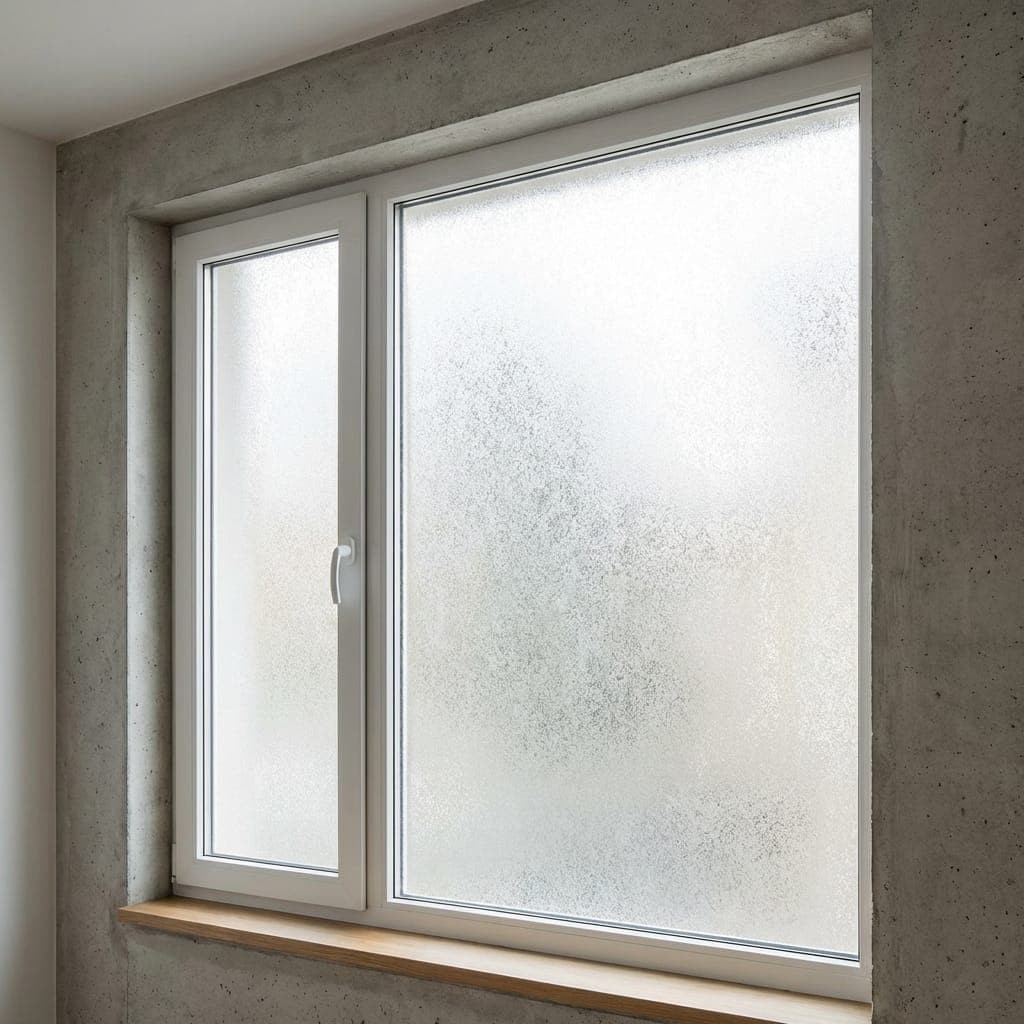
4. Patterned or obscure glass: privacy with daylight
Patterned, frosted or obscure glass can help reduce clear visibility through a window while still allowing daylight into a room. It is often considered for bathrooms, stairwells and other spaces where privacy matters.
Privacy varies with the glass pattern, lighting conditions, distance and viewing angle. Some glass that looks private during the day may provide less privacy at night when the room is brightly lit and the outside is dark.
Before ordering, ask to see a sample and check it under lighting conditions similar to the room. If the window needs a particular level of privacy, describe that requirement clearly to the supplier.
5. Toughened and laminated glass: understand the difference
Toughened and laminated glass are different types of safety-related glazing, and they are not interchangeable in every application.
Toughened glass
Toughened glass is processed to change how it behaves when it breaks. It is used in applications where the relevant safety requirements call for this type of glass. The correct choice depends on the location, dimensions, support and applicable building requirements.
Laminated glass
Laminated glass uses layers bonded with an interlayer. Depending on the product and construction, it may be considered for particular safety, security or acoustic objectives. Performance varies with the exact glass make-up and installation.
What should you ask?
- What safety requirements apply to this opening?
- Which glass construction is specified, including thickness and make-up?
- Is the selected glass suitable for the size and support arrangement?
- What markings or product documentation will be provided?
- Does any performance claim apply to the glass alone or the complete window?
Do not select safety glass from a general online rule. Ask a qualified supplier to confirm the appropriate specification for the actual location and applicable requirements.
6. Double glazing: what it means and what it does not guarantee
Double glazing generally refers to a unit made with two panes separated by a cavity and assembled with an appropriate spacer and edge-sealing system. The cavity and glass configuration can influence thermal and acoustic performance.
But the words "double glazing" alone do not guarantee a particular reduction in heat or noise. The outcome depends on pane thickness, the spacing and construction of the unit, glass type, frame, seals, installation and the surrounding building.
Before choosing double glazing, ask:
- What are the specifications of both panes?
- What is the cavity configuration?
- Is the unit designed for the selected uPVC profile and hardware?
- Is the claimed performance supported by test data for the relevant configuration?
- What are the additional cost, weight and maintenance considerations?
- Is double glazing the best response to the specific issue in this room?
For some homes, double glazing may be worthwhile for particular comfort goals. For others, external shading, improved seals, a different glass specification or another building measure may be more appropriate. Consider the whole problem and budget rather than assuming that more panes automatically mean the best result. Our guide to single vs double glazing looks at when the upgrade is worth it, room by room.
7. Choosing glass for noise reduction
Noise can come from road traffic, trains, aircraft, nearby construction, neighbours or other sources. The best solution depends on the type of noise, its frequency, the opening size and the condition of the entire window assembly.
Glass selection is only one part of acoustic performance. Gaps around a sash, poor perimeter sealing, vents, walls and other openings can also allow sound to enter.
If noise is a major concern:
- 1Explain the source and time pattern of the noise to the supplier.
- 2Ask about the complete window's acoustic performance, not only a glass label.
- 3Request relevant test documentation and confirm what was tested.
- 4Discuss frame, seals, opening style and installation details.
- 5Check whether the proposed solution suits the existing building and budget.
Do not accept a promise that a window will be "100% soundproof." Ask for a defined, documented performance claim and understand the conditions under which it was measured. Our article on how double glazing reduces traffic noise explains why the seals and the rest of the assembly matter as much as the glass.
8. Choosing glass for heat and glare in Chennai
Heat entering a room can be affected by solar exposure, glass properties, window size, external shading, ventilation and the building envelope. The direction the window faces and the amount of direct sun it receives are useful details to share with your supplier.
For a sun-exposed room, ask about:
- Solar heat-gain performance
- Visible-light transmission
- Glare at the times the room is used
- Tint or reflective appearance
- External shading options
- Compatibility with the selected frame and glazing system
There is often a balance between reducing solar gain and keeping the room bright. A dark tint may reduce some light as well as glare, while a different solar-control product may have a different balance. Compare the technical values and view samples before deciding.
Do not assume that all tinted glass has the same solar performance or that a specific glass will eliminate the need for air conditioning.
9. Choosing glass for bathrooms and overlooked windows
Privacy needs vary. A bathroom window may need obscured glass, while a bedroom facing a neighbouring building may need a different combination of privacy, daylight and ventilation. Our bedroom window solutions page shows the window styles we offer for bedrooms.
Check the following:
- How much visibility should be blocked?
- Does the glass provide the desired privacy both day and night?
- Is a patterned or obscure option available in the required size?
- Does the room need a specific safety-glazing specification?
- Can the glass be cleaned safely and easily?
- Does the window configuration still provide the intended ventilation?
Ask to see the actual sample. A small sample may look different from a large installed pane, so consider the pattern, light and sightline together.
10. What affects the cost of window glass?
Glass pricing depends on the type, thickness, size, construction, processing, quantity, availability and installation requirements. Double-glazed units, laminated constructions, special finishes and particular safety specifications may have different costs from standard clear glass. Our guide to uPVC window prices in Chennai covers the other factors in a window quotation.
For a fair comparison, request a written quotation that identifies:
- Glass type and thickness
- Number of panes and construction, where relevant
- Any tint, pattern, coating or interlayer
- Safety-glazing specification where required
- Which windows receive each glass option
- Hardware or profile changes required by the glass weight
- Installation, transport, taxes and other charges
- Warranty and replacement terms
Avoid comparing only the total price or a vague line such as "premium glass." Two quotations may describe different products. Ask each supplier to quote the same specification wherever possible.
11. Questions to ask before approving the glass specification
Use this checklist during the quotation discussion:
- What problem are we trying to solve: privacy, glare, heat, noise or safety?
- What is the exact glass type and thickness?
- If double glazing is proposed, what are both panes and the cavity construction?
- Is the glass suitable for this opening's dimensions and location?
- Are any safety-glazing requirements applicable?
- What technical data supports the performance claims?
- Do the figures apply to the glass alone or the complete window?
- How will the glass affect daylight, appearance and visibility?
- Is the glass compatible with the selected uPVC profile and hardware?
- What is included in the price, and what is excluded?
- What warranty applies to the glass and glazing unit?
- How should the glass be cleaned and maintained?
Keep the approved glass specification with your quotation and window schedule.
Frequently Asked Questions
Short answers to the questions Chennai homeowners ask most often about choosing glass for uPVC windows.
There is no single best option for every room. Choose based on privacy, daylight, heat, noise, safety requirements, window size and budget. Ask the supplier to recommend a specification for the actual opening.
Not necessarily. Performance depends on the specific glass properties, not tint alone. Ask for relevant solar-performance information and consider the effect on daylight and appearance.
Not for every home or every opening. It may be useful for specific thermal or acoustic goals, but the benefit depends on the glass construction, frame, seals, installation and site conditions. Compare the expected benefit and cost for your situation.
The right choice depends on the noise source and the complete window assembly. Ask for acoustic performance information for the relevant configuration, and consider seals, frame and installation as well as the glass.
No. They are different constructions with different behaviour and applications. The appropriate type depends on the opening, safety requirements and intended performance. Ask a qualified supplier to confirm the correct specification.
Privacy depends on the product and lighting conditions. Some options may provide less privacy when a room is brightly lit at night. Check a sample under realistic conditions before ordering.
Sometimes, but compatibility, frame condition, glazing method, glass weight and hardware capacity must be assessed. Ask a qualified supplier to inspect the existing window before deciding.
It should identify the glass type, thickness and construction, the openings where it will be used, any special performance or safety requirements, installation scope, price, exclusions and warranty terms.
Conclusion: choose glass based on the room, not a label
The right glass balances the needs of the room. Clear glass may suit a space where daylight and views are priorities; obscure glass can help with privacy; tinted or solar-control products may be worth discussing for sun-exposed rooms; and safety or acoustic needs may call for a specific documented construction.
Describe your priorities to the supplier, compare the actual specifications and keep the final glass selection in writing. The goal is a complete window solution that suits the opening and the way you use the room. Our sliding and casement ranges list the glass options available for each window type.
Planning uPVC windows for your Chennai home?
Contact Sunlight uPVC Windows to discuss your openings and ask which glass options are compatible with your chosen window system.
Tell us which rooms you are glazing and what matters most in each: privacy, glare, heat, noise or safety.
Ask to see glass samples before you approve the specification.
- Phone+91 98418 19576
- ShowroomSR Plaza, 2nd Floor, No. 96, Velachery Main Road, Sembakkam, Chennai 600 073
- FactoryPlot No. 41/42, Premier Avenue, Keelpadappai, Padappai, Chennai 601 301
Have a question this article did not cover? Get in touch — we will get back within a working day.
Continue reading
 Buying Guide
Single vs Double Glazing: When the Upgrade Pays Off
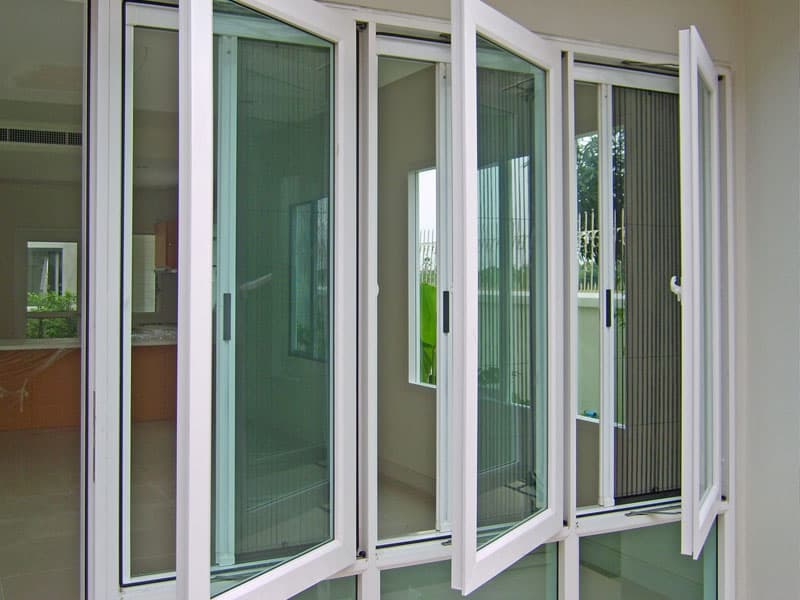
Double glazing costs about 35 to 45 percent more than single glazing on the same frame. Here is when it earns that money back, and when single glazing is genuinely fine.
Read article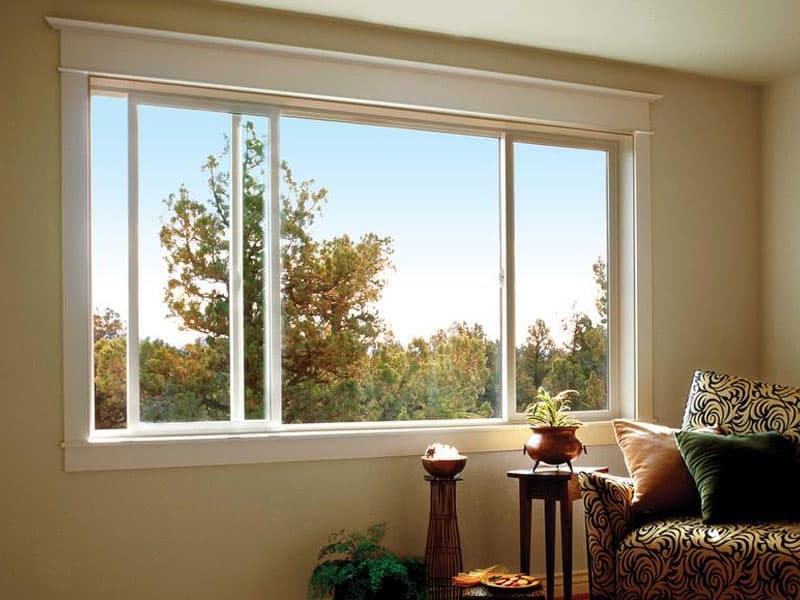 Technical
How Double Glazing Reduces Traffic Noise: A Practical Guide
Why a single number on a brochure does not tell the full noise story, what dB reduction actually feels like in a Chennai bedroom, and why the seal does most of the work.
Read article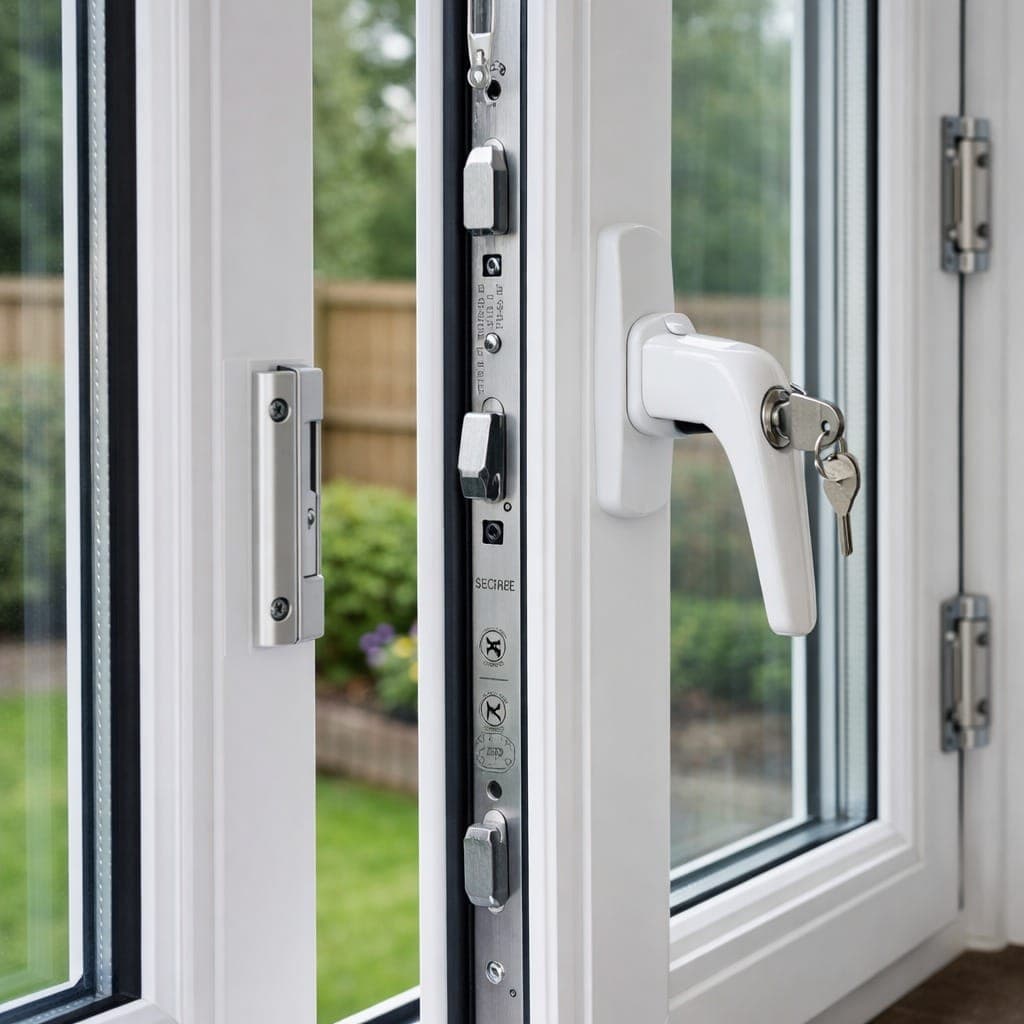 Buying Guide
How to Compare uPVC Window Profiles, Steel Reinforcement, Glass and Hardware
Two uPVC window quotations can look similar while specifying different materials and components. Learn how to compare profiles, reinforcement, glass, hardware, seals and installation details before choosing a supplier.
Read article