
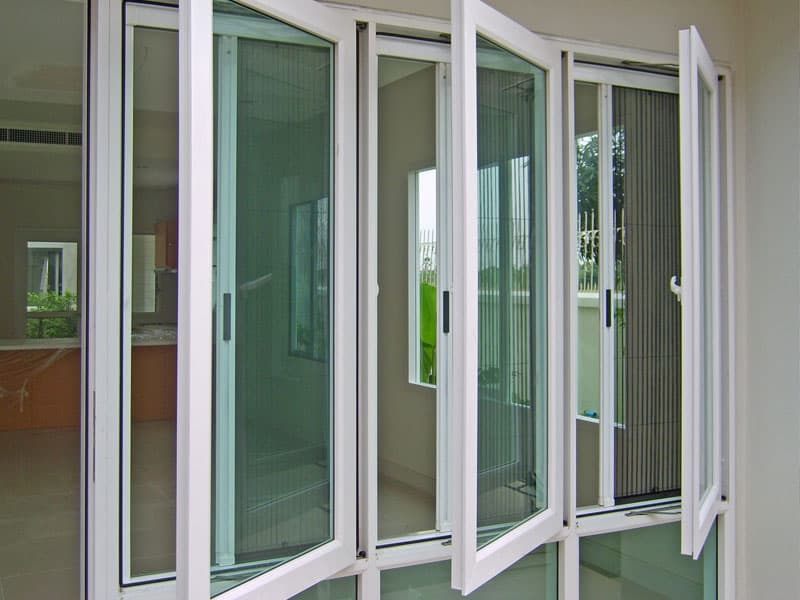
Single vs Double Glazing: When the Upgrade Pays Off
Double glazing costs about 35 to 45 percent more than single glazing on the same frame. Here is when it earns that money back, and when single glazing is genuinely fine.
Walk into any uPVC showroom in Chennai and you will be told double glazing is better. It is, in some situations. In others, single glazing on the same uPVC frame does the job for noticeably less. This post covers when the upgrade is worth it and gives a framework for deciding room by room.
What you actually pay for
A double glazed unit (DGU) adds about 35 to 45 percent to the per square foot cost of a window. The extra money buys two things. First, a sealed gap between two panes that blocks heat transfer. Second, a thicker, denser assembly that blocks noise. Single glazing gives you one pane of glass and the uPVC frame's insulation only.
The DGU itself adds glass cost (you need two panes plus the spacer plus the desiccant plus the seal), labour cost (sealing the unit is a controlled process), and supply chain cost (DGUs cannot be cut on site, they have to be ordered to the exact size from a glass processor). On a 1.2 by 1.5 metre window, single glazing costs around 5500 rupees in glass alone. The same window in 5 plus 12 plus 4 mm DGU is around 8500. The frame and labour are the same. So the per window upgrade is real but bounded.
When double glazing is worth it
- Bedrooms and living rooms facing a main road or busy intersection
- West and south west elevations where afternoon heat is a comfort issue
- Air conditioned rooms where you want lower running costs (typical reduction is 20 to 30 percent)
- Rooms where you can hear the lift, the corridor, or a neighbour's TV through the existing window
- Apartments above the second floor where outdoor temperature differs more from indoor (no shade from buildings opposite)
- Bedrooms on a quiet road but where someone in the household is a light sleeper
When single glazing is fine
- Bathrooms and utility rooms where neither noise nor heat are concerns
- Kitchen ventilator units that stay closed only briefly
- Stairwells and corridors that are not climate controlled anyway
- Quiet residential streets where the existing single glazing already feels acceptable
- Pooja rooms, store rooms, and similar spaces with low occupancy
- Rooms that already get a lot of natural cooling (north facing, on a tree shaded side)
What single glazing on uPVC still gets right
Single glazed uPVC is not the same as single glazed aluminium or wood. The frame itself is insulated (multi chamber profile, no thermal bridge), so even single glazing performs better than the equivalent aluminium window. Air sealing on a properly installed uPVC frame is also tight, which kills small drafts that account for a surprising amount of perceived heat loss.
In our measurements on identical openings, single glazed uPVC reduced indoor temperature by about 1.5 to 2°C compared to single glazed aluminium on a 38°C afternoon, with no other changes. The DGU upgrade adds another 1 to 1.5°C reduction on top of that. So the biggest jump in performance is from aluminium to uPVC, not from single to double glazing within uPVC.
How AC running costs change
A rough rule of thumb: switching from single to double glazing on a fully air conditioned 2 BHK apartment in Chennai reduces AC electricity consumption by 10 to 20 percent depending on orientation and total glazed area. On a household with monthly AC bills of 4000 to 6000 rupees, that is 400 to 1200 rupees a month, or 5000 to 14000 rupees a year. Payback on the upgrade premium (typically 50000 to 80000 rupees for a 2 BHK) is 4 to 10 years. Most homeowners are looking at a 15 to 20 year window life, so the math works out.
If your AC runs less (you only AC at night, or you only AC the bedrooms), the payback is longer and the case for DGU is weaker. The upgrade still gives you noise reduction and comfort even when the AC is off, but you are paying for it through the comfort lens, not the bill lens.
How to decide for your home
- 1Walk through your house and write down which rooms you actively want quieter or cooler
- 2Get a quote for those rooms in DGU and the rest in single glazing
- 3Compare against an all DGU quote and an all single glazing quote
- 4The difference between the mixed quote and the all single quote is what you are actually paying for the upgrade where it matters
- 5If the mixed quote premium is 30 to 50 thousand rupees on a 2 BHK install, that is about a 4 to 7 year payback through AC savings alone. Decide based on whether the comfort upgrade is worth that to you
Most Chennai homes we install end up around 40 to 60 percent DGU coverage. Anyone who tells you the whole house must be DGU is selling, not advising. If your real concern is acoustic, How Double Glazing Reduces Traffic Noise explains why the seal matters as much as the glass. If it is thermal, What U-Value Actually Tells You shows how to compare specs honestly.
What about triple glazing?
We get asked about triple glazing occasionally. For Chennai it is generally not worth the extra cost. Triple glazing reduces heat loss in cold climates where the indoor outdoor temperature difference is 25 to 30°C. In Chennai that difference is rarely more than 8 to 10°C even at peak summer. The third pane adds weight, cost, and complexity without delivering much in our climate. If you have a specific noise concern that DGU is not solving, the upgrade path is laminated glass on the existing DGU, not a third pane.
Have a question this article did not cover? Get in touch — we will get back within a working day.
Continue reading
 Technical
How Double Glazing Reduces Traffic Noise: A Practical Guide
Why a single number on a brochure does not tell the full noise story, what dB reduction actually feels like in a Chennai bedroom, and why the seal does most of the work.
Read article Technical
What U-Value Actually Tells You About a Window
U-value is the most misused spec in window catalogues. Here is what the number means, why a low U-value matters less in Chennai than in Delhi, and what you should look at instead.
Read article Buying Guide
Casement vs Sliding: Which uPVC Window Style Fits Your Chennai Home?
A practical comparison of the two most installed window styles in Chennai apartments and villas. How they open, where each one works, and the trade-offs nobody mentions on the showroom floor.
Read article