
uPVC Windows in Adyar: A Local Guide for Premium Residential
Adyar's residential mix of older independent houses, premium apartments, and gated communities each has its own window challenges. Traffic noise from LB Road, salt influence, and association rules covered.
Adyar is one of Chennai's most established premium residential neighbourhoods. The area runs roughly from the Adyar river south to Indira Nagar and east toward Besant Nagar, anchored by LB Road and Sardar Patel Road. The building stock is unusually mixed. Independent houses from the 1970s and 80s, apartment buildings from every era from 1990 to today, and a growing number of gated community redevelopments. Each segment has its own window replacement profile. This guide covers what to expect when planning uPVC windows for an Adyar home.
The Adyar building stock
Independent houses (1970s-90s)
Many original Adyar plots have houses with teak and rosewood window frames. These are often beautifully made but reaching end of life. Termite damage, frame warping, and seal failure are typical. Replacement to uPVC is a substantial project because the original openings were sized for the wood frames, and the replacement must work within the existing masonry without compromising the architectural character of the elevation. Detailed coverage of the wood-to-uPVC transition is in 5 Things to Check Before Replacing Wood Frames with uPVC.
Apartment buildings (1990-2010)
Most Adyar apartment buildings from this era have aluminium sliding windows. They are now in their 15 to 30 year window and most need replacement. Common issues are roller failure, track wear, and elevation leaks. RWA approval is usually required for replacement, but most buildings have written elevation guidelines that simplify the process.
Recent gated communities
Newer Adyar developments often came with mid-tier aluminium or entry level uPVC. Replacement enquiries here are typically aesthetic upgrades (white frame to woodgrain laminate, for example) rather than functional emergencies. Bulk replacements at the building level have happened in some communities.
Traffic noise from LB Road and Sardar Patel Road
Adyar's two main arteries carry significant traffic volume. LB Road through traffic includes commercial vehicles in addition to passenger cars, with sustained noise levels of 70 to 80 dB at curbside. Apartments and houses on these roads experience direct exposure on the road facing facade. Reducing this to comfortable indoor levels is one of the most common reasons Adyar customers approach us.
For LB Road and Sardar Patel facing units, our standard recommendation is laminated double glazed units (5+0.76+5 mm laminated outer, 12 mm argon gap, 4 mm inner) in casement frames with multi point locking. This combination delivers around 35 dB of noise reduction in real conditions, dropping indoor levels to the high 40s dB range. That is the difference between active road noise and a quiet room. Detailed discussion is in How Double Glazing Reduces Traffic Noise.
We have measured before and after numbers on several Adyar installs. A second floor apartment on LB Road (between the bus stop and Indira Nagar) measured 76 dB indoor with original aluminium sliding. Same room measured 47 dB after laminated DGU casement install with all other variables (time of day, traffic level) controlled. Customers describe the change as moving to a different building.
Salt air influence in Adyar
Adyar is roughly 4 to 5 km from the coast, depending on which part. Salt influence is moderate. Visible salt deposits on glass are uncommon, but slow corrosion on cheap hardware is real. Mild steel components on aluminium windows in Adyar typically show rust within 2 to 4 years, faster than inland areas like Anna Nagar but slower than direct seafront ECR.
Our standard Adyar specification uses 304 grade stainless on all exposed hardware. We do not see the need for 316 grade upgrades except for properties very close to the river or to the coast (parts of Indira Nagar that border Besant Nagar). For most of Adyar 304 grade is correct and 15 plus year hardware life is realistic.
Apartment association coordination
Most Adyar apartment buildings have RWAs with established elevation guidelines. The typical Adyar approval process:
- Submit a brief written request to the secretary describing the proposed change
- Include photos of the existing window and a basic spec for the replacement (frame colour, glass type, operating type)
- Wait for the next monthly RWA meeting (or special approval for time sensitive cases)
- Receive written approval, typically with conditions (no operation noise during certain hours, lift use restrictions, etc.)
- Schedule the install in coordination with the building maintenance team
Most Adyar associations approve white or off-white uPVC frames with the same operating type as existing (sliding for sliding, casement for casement). Changes to operating type or to woodgrain laminate finishes sometimes need additional discussion. We can provide sample approval letters from comparable Adyar buildings as templates if your association needs a reference.
Independent house considerations
Independent house owners in Adyar face different decisions. There is no association approval requirement, but architectural integrity often matters more. Many Adyar houses have a recognisable elevation character that a poorly chosen window can disrupt. We recommend matching the existing window aesthetic where possible, using woodgrain laminates that approximate the original wood, or accepting a more modern white frame as an honest aesthetic update rather than trying to hide the change.
For heritage worthy houses (some plots in Indira Nagar and parts of central Adyar), we sometimes recommend keeping the existing wood frame visible from outside while installing a uPVC sub-frame inside. This is more expensive and slightly compromises the thermal performance but preserves the original elevation. Discuss this with us during the survey if architectural character is a priority.
Heat and orientation
Adyar gets significant west-facing afternoon sun, particularly on properties south of LB Road that have unobstructed western exposure (looking toward Tidel Park direction). For these elevations we recommend Low E coated DGU, which reduces solar heat gain by 50 to 60 percent compared to plain glass. The full discussion of glass selection by orientation is in What U-Value Actually Tells You About a Window.
Mature tree influence
Adyar has unusually good tree cover for a Chennai neighbourhood, particularly along the older streets. This is generally an advantage (shade reduces afternoon heat load) but it brings a maintenance consideration. Falling leaves accumulate in window tracks, especially on sliding windows. For Adyar properties under significant tree cover, we recommend either casement windows (no track) or sliding windows with enlarged drainage slots (8 mm) to handle leaf debris.
Typical Adyar project profiles
Indicative budgets based on recent Adyar projects.
- 2 BHK apartment full window replacement: 1.5 to 2.5 lakh depending on glass spec
- 3 BHK apartment full replacement: 2.5 to 4.5 lakh
- Independent house full replacement (typical 4 BHK): 4 to 8 lakh including the wood removal and civil work
- LB Road or Sardar Patel facing unit upgrade with laminated DGU: add 30 to 40 percent over standard glazing
- Bulk apartment replacement (50 plus units): 12 to 18 percent per unit savings over individual replacements
We offer free site surveys across Adyar with full measurement, photo documentation, RWA submission preparation, and detailed quotes within a week. If you are exploring a bulk replacement at the apartment level, we have done several in the area and can share contact details for previous Adyar association references.
Have a question this article did not cover? Get in touch — we will get back within a working day.
Continue reading
 Buying Guide
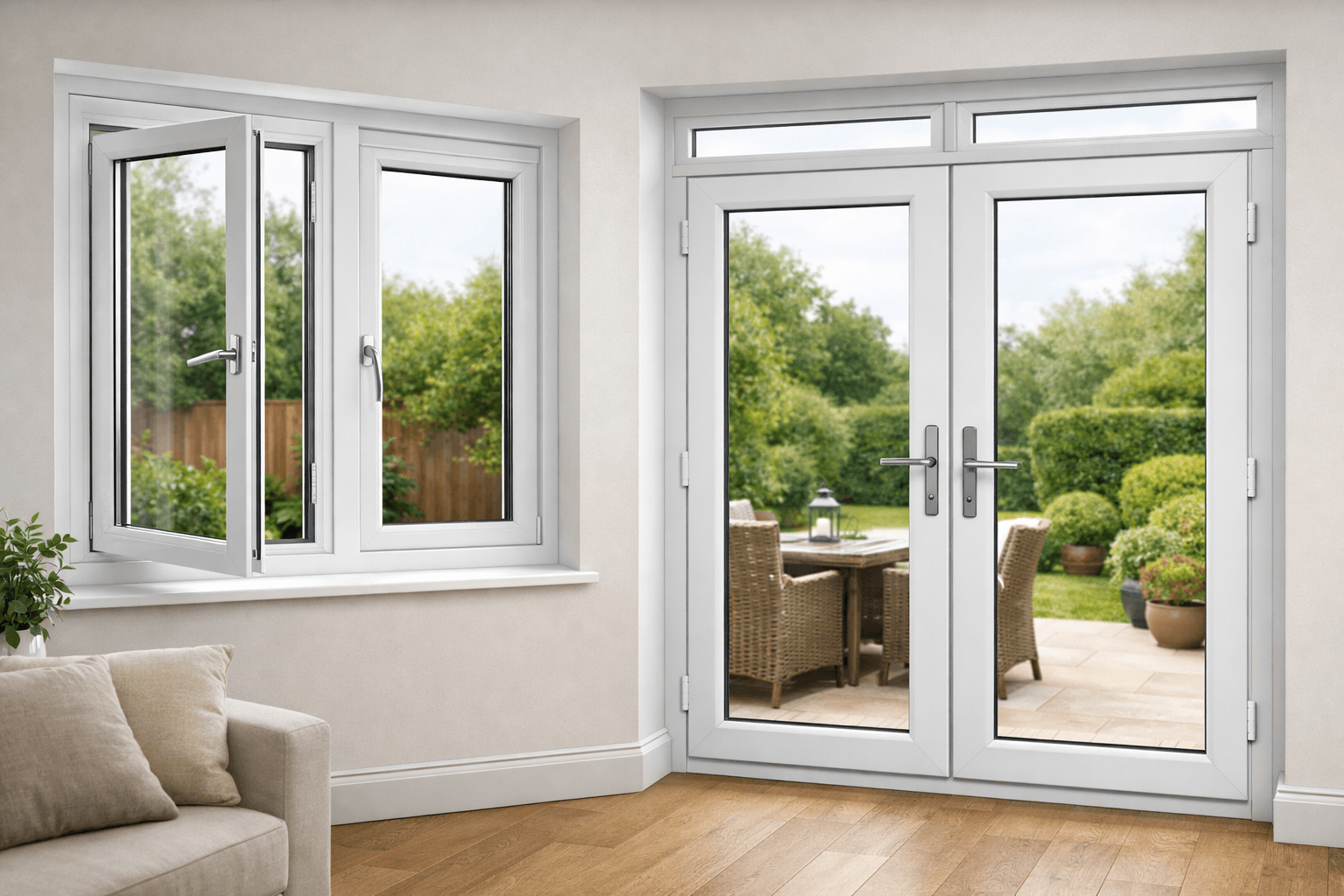
Casement vs Sliding: Which uPVC Window Style Fits Your Chennai Home?
A practical comparison of the two most installed window styles in Chennai apartments and villas. How they open, where each one works, and the trade-offs nobody mentions on the showroom floor.
Read article Technical
How Double Glazing Reduces Traffic Noise: A Practical Guide
Why a single number on a brochure does not tell the full noise story, what dB reduction actually feels like in a Chennai bedroom, and why the seal does most of the work.
Read article Renovation
5 Things to Check Before Replacing Wood Frames with uPVC
What to verify on the existing opening, the surrounding wall, and the building rules before you order replacement uPVC windows. Spend ten minutes on these now and avoid surprises during the install.
Read article