
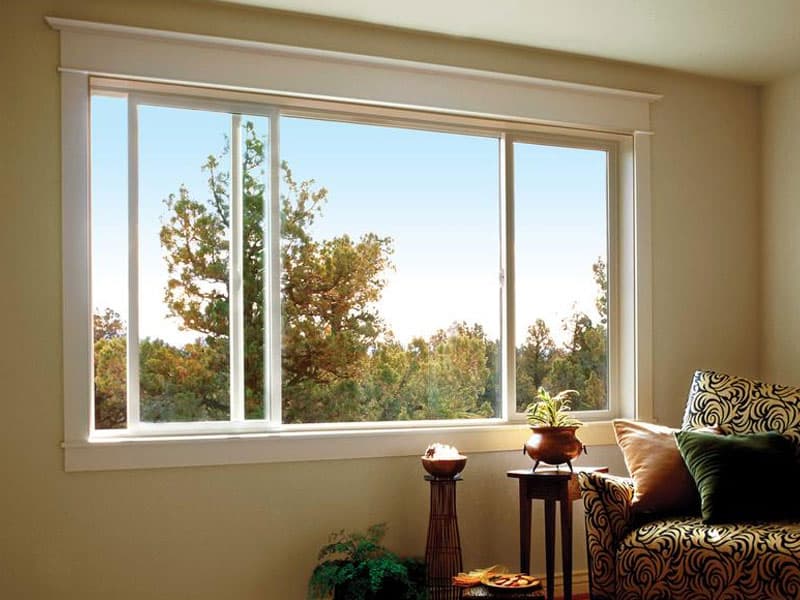
5 Things to Check Before Replacing Wood Frames with uPVC
What to verify on the existing opening, the surrounding wall, and the building rules before you order replacement uPVC windows. Spend ten minutes on these now and avoid surprises during the install.
A wood to uPVC replacement is one of the most common upgrades we do in Chennai homes built before 2010. Most go smoothly, but the exceptions are usually traceable to something the homeowner could have caught early. Here are the five checks worth doing before the survey, plus a few things to discuss with the installer once they arrive.
1. Check the wall around the existing frame for water damage
Wood absorbs moisture and slowly transfers it to the surrounding masonry. Tap the plaster within 30 cm of the frame on all four sides. A hollow sound or visible damp patches mean the wall behind needs to be opened up and dried before the new frame goes in. If you skip this, the new uPVC frame will be installed into a damp substrate and the silicone seal will fail within a year. The window itself is fine. The seal between the window and the wall fails because it is bonding to a wet surface.
If you see signs of damp, get a civil contractor to address it before the window install. The civil work is straightforward (remove plaster, dry, apply waterproofing primer, replaster) but it adds a week to the project timeline. We can coordinate with civil contractors we know if you do not have one, but most homeowners arrange this themselves.
2. Measure the structural opening, not the wood frame
Wood frames are typically 50 to 70 mm thick. The replacement uPVC frame goes into the original masonry opening behind the wood, which is bigger than the visible wood frame by exactly that thickness. The size you give the manufacturer should be the brick to brick opening, not the inner sight of the wood. Get this wrong and the new frame either floats with a 60 mm gap or does not fit at all.
If you cannot remove a corner of the wood frame to measure the brick to brick opening directly, our surveyor will do this during the site visit using a non destructive technique (small inspection cut behind the architrave, or measurement from the visible inner sight plus the known wood thickness). Do not estimate. The frame fabrication tolerance is in millimetres.
3. Confirm the wood frame is not load bearing
How to spot a load bearing wood frame: it is unusually thick (90 mm or more), the wood extends across the full thickness of the wall (you can see the same wood from both inside and outside), and there is no visible RCC or steel lintel above. Houses built before 1970 sometimes have these. The fix is simple (a temporary timber prop while removing the wood, then a steel angle lintel before the uPVC frame goes in), but it must be planned, not improvised on install day.
4. Check apartment rules for elevation changes
Replacing wood with uPVC is usually fine because the visible elevation barely changes. But changing the colour (white wood to woodgrain laminate, for example) or moving from grilles to clear glass can require association approval. A two line email to your association before ordering avoids a stop work situation on installation day.
Apartments and gated communities in Chennai vary in how strict their elevation rules are. Some accept any colour as long as the operating type stays the same. Others specify the colour, the grille pattern, even the brand of profile. The same building can have different rules for different facades (the road facing side is usually stricter than the rear). Check before ordering, not after.
5. Plan for the day the windows are out
There will be a four to six hour window during install when there is literally a hole in the wall where the window used to be. Clear the room, move valuables, and plan for dust. We bring tarpaulin sheets and protect the surrounding area, but the smoothest installs are the ones where the room is already empty.
Schedule the install on a day when nobody is home doing other work. The dust and the small civil cuts (chipping the old frame out of the masonry) are loud, and trying to work in another room of the same house during the install is unpleasant. Most replacement installs are done in 1 to 2 days for a typical 2 BHK apartment with 5 to 7 windows.
What to discuss with the installer on site
- Confirm the brick to brick opening size before they begin demolition
- Discuss whether they will use a temporary prop on any opening with masonry above
- Clarify how the old wood is disposed of (some installers leave it for the homeowner, others remove it)
- Ask about the installation sealant: it should be neutral cure silicone, not acetic cure
- Confirm the post install hose test will be done before they leave
- Ask for the warranty document and the maintenance guide before payment
What to expect in the first month
New windows have a brief settling period. The EPDM gaskets compress slightly as the seal beds in. You may notice the locks feel a touch firmer in the first week and then ease. This is normal. What is not normal: visible water on the inside of the frame after rain, condensation between glass panes, or any window that no longer closes flush. These are warranty issues. Document with photos and call us within the first month if any appear. Maintenance recommendations from year one onward are in our annual maintenance schedule.
Have a question this article did not cover? Get in touch — we will get back within a working day.
Continue reading
 Renovation
Replacing Aluminum Windows with uPVC: What to Expect
Aluminium replacements are easier than wood replacements but come with their own quirks. Here is what changes about your home, your bills, and your install timeline.
Read article Maintenance
uPVC Window Maintenance Through the Year
uPVC windows are low maintenance, not no maintenance. Here is the simple annual schedule we recommend to keep windows performing through their full warranty life.
Read article Buying Guide
Casement vs Sliding: Which uPVC Window Style Fits Your Chennai Home?
A practical comparison of the two most installed window styles in Chennai apartments and villas. How they open, where each one works, and the trade-offs nobody mentions on the showroom floor.
Read article