
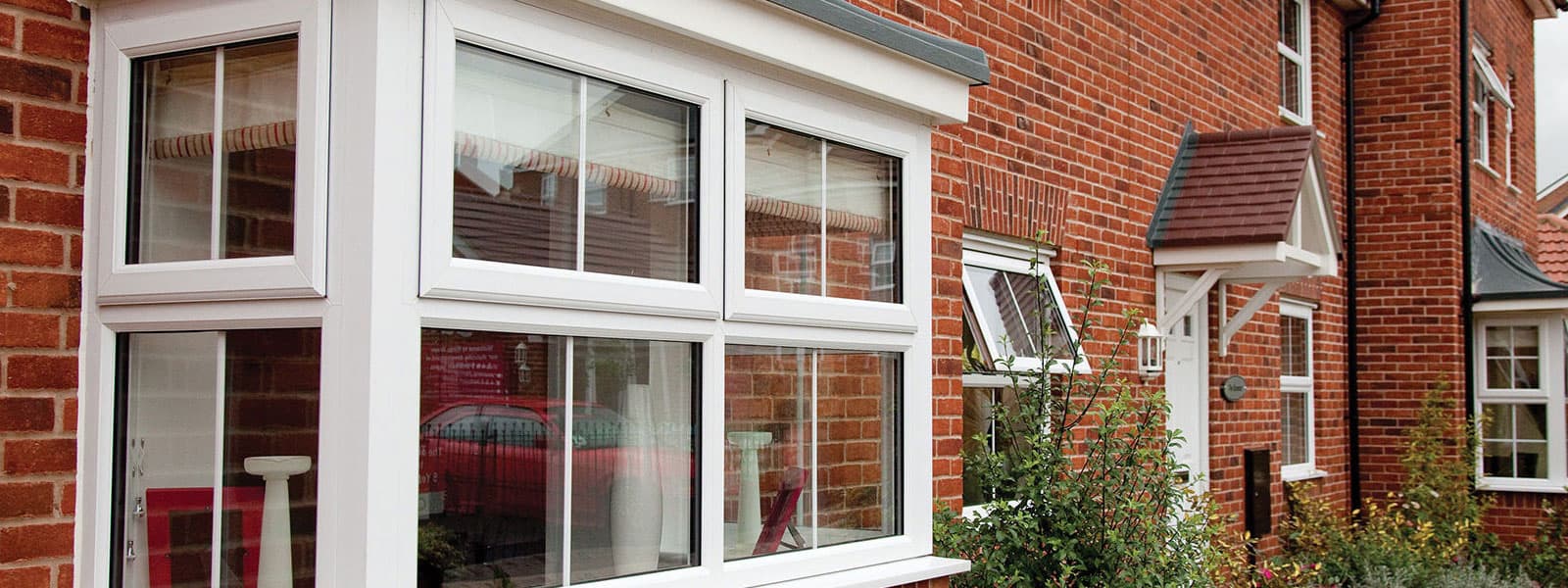
uPVC Windows on ECR: What Coastal Villa Owners Should Know
ECR villa windows face the most aggressive environment in Chennai. Salt corrosion, horizontal monsoon rain, large openings for ocean views, and security requirements that inland Chennai does not have.
East Coast Road, from Thiruvanmiyur south through Neelankarai, Injambakkam, Akkarai, Uthandi and on toward Mahabalipuram, hosts the most demanding window environment in Chennai. Salt laden air, monsoon storms that arrive as horizontal rain, large openings designed for ocean views, and a low density that affects both security thinking and emergency response. This guide covers what we have learned installing uPVC windows on ECR villas over the last fifteen years, and what villa owners should consider when planning a replacement or new build.
How ECR is different from inland Chennai
ECR exposure is more severe than even the rest of coastal Chennai. The combination of three factors creates the unusual conditions:
- Direct sea breeze most days, carrying salt aerosol that catalogues just call 'high'
- Wind driven monsoon rain that arrives near horizontal during October-December storms
- Open landscape with limited tree cover or other building shadow, so direct sun loads are higher
- Lower building density means unsupervised periods are longer, which affects security planning
- Larger plot sizes mean larger window openings (3 metre plus is common, 5 to 6 metre living room glazing not unusual)
Hardware specification for ECR
Within Chennai we use 304 grade stainless as standard. For ECR we step up. Within 1 km of the actual seafront (Akkarai beach, Uthandi seaside, beachfront Neelankarai), we specify 316 grade stainless on all hardware that contacts outside air. The grade difference matters because salt aerosol attacks 304 stainless slowly over time (visible pitting after 7 to 10 years) but barely affects 316 (acceptable surface condition at 15 plus years).
The 316 upgrade adds about 8 to 12 percent to hardware cost, which works out to 2 to 3 percent of total project cost on a typical villa install. It is the single most cost effective decision you can make for ECR durability. Any installer who tells you 304 is sufficient for direct seafront has not seen what 10 years on a beach does to that grade.
Profile selection for salt exposure
uPVC profile is largely unaffected by salt because there is no metal in the profile body. But the steel reinforcement inside the chambers (used to give large frames structural rigidity) can be vulnerable if the profile end caps are not properly sealed. We use sealed end caps with marine grade sealant on all ECR installs, and inspect the seal during install. This is a small detail that catalogues do not mention but it is what determines whether the steel reinforcement survives the first decade.
Profile colour also matters. Dark woodgrain laminates absorb more solar heat, which raises the profile surface temperature and accelerates ageing of any plasticisers in the laminate. White and off-white profiles run cooler and last longer in direct ECR sun. If you specifically want woodgrain (and many ECR villa owners do, for the warm aesthetic against beach surroundings), use a foiled finish from a tropical grade supplier rather than the cheapest available laminate. The cost difference is around 8 to 15 percent on profile, well worth it for visible elevation surfaces.
Glass specification for ocean views
Most ECR villas have at least one room designed around an ocean view, usually a living room or master bedroom. The view is the entire reason for the location, and frame sightlines matter as much as performance. We use slim profile uPVC sash designs (around 70 to 75 mm visible frame) for view-facing windows, paired with carefully chosen glass specifications.
Glass for east facing ocean view rooms
Morning sun comes in directly, but afternoon sun is from behind the house. So heat load is moderate. We typically spec 5+12+4 mm DGU with a Low E coating on the inner surface of the outer pane. This delivers good thermal performance without darkening the glass enough to affect the view. Tinted glass on a view-facing window is usually a mistake. The marginal heat reduction is not worth the loss of visual clarity.
Glass for west facing rooms
These do not have the view problem so we are more aggressive on heat reduction. Reflective Low E or solar control glass with SHGC around 0.25 is appropriate. The room becomes a cool retreat from afternoon heat, with the view being a secondary concern.
Salt deposits on glass
Glass on ECR develops a haze of salt deposits more quickly than inland glass. This is just a cleaning issue (mild soap, soft cloth) but the cleaning cadence is more frequent. Plan on full glass cleaning every 4 to 6 weeks during the monsoon and dry season, every 2 to 3 weeks during sea breeze heavy summer months. Tilt and turn windows are particularly useful here because they let you reach the outside face of the glass from inside, reducing dependency on external cleaners.
Wind driven monsoon rain
We hose test every ECR install with the hose held at a horizontal angle to simulate wind driven rain. If water enters the room through any path, the install is not complete. This is standard practice for us but worth verifying with any installer you consider. ECR windows that fail in the monsoon usually fail because the install was tested only with the hose pointed downward, which does not replicate actual conditions.
Large opening considerations
Many ECR villas have living room or master bedroom openings of 4 to 6 metres facing the ocean. These are at the limits of what uPVC can handle structurally. Our standard solution is a combination of fixed picture panes for the bulk of the view area, with smaller operable casement or tilt and turn sashes for ventilation. A 5 metre opening might be configured as one 3 metre fixed pane flanked by two 1 metre casements, all sharing a continuous frame.
We do not recommend large sliding doors above 4 metres for ECR because the sash weight (with double glazing) becomes hard to operate smoothly and the long track is more vulnerable to wear from sand and grit. Sliding fold (bi-fold) doors are an alternative for openings up to 6 metres but require careful spec for marine durability. The hardware exposed to outside air on a bi-fold is more extensive than on a casement, so 316 stainless throughout is non negotiable.
Security in low density areas
ECR villas are typically less surveilled than apartment complexes. Long unoccupied periods are common (owners often have a primary home in Chennai city and use the villa as a second home). This affects security planning. Multi point locking is essential everywhere, not just on accessible openings. We typically recommend laminated glass on all ground floor windows and consider security grilles on rear facing openings that are out of sight from the road. The full security spec discussion is in Multi-Point Locking and Window Security.
Costs and what to budget
ECR uPVC windows run higher than inland Chennai because of the upgraded specifications. A typical 4 BHK villa replacement (15 to 25 windows including doors) runs 8 to 15 lakh depending on size, glass specification, and hardware tier. New construction at the same scale runs 6 to 12 lakh because there is no demolition involved. Detailed quotes vary substantially based on the specific opening sizes and the elevation requirements.
We will typically visit your ECR property for a full survey at no cost. The survey takes 60 to 90 minutes for a typical villa, includes detailed measurements, photos of every opening, recommendations on glass and hardware spec by room, and a written quote within a week. Survey results are the same whether you proceed with us or another installer.
Have a question this article did not cover? Get in touch — we will get back within a working day.
Continue reading
 Technical
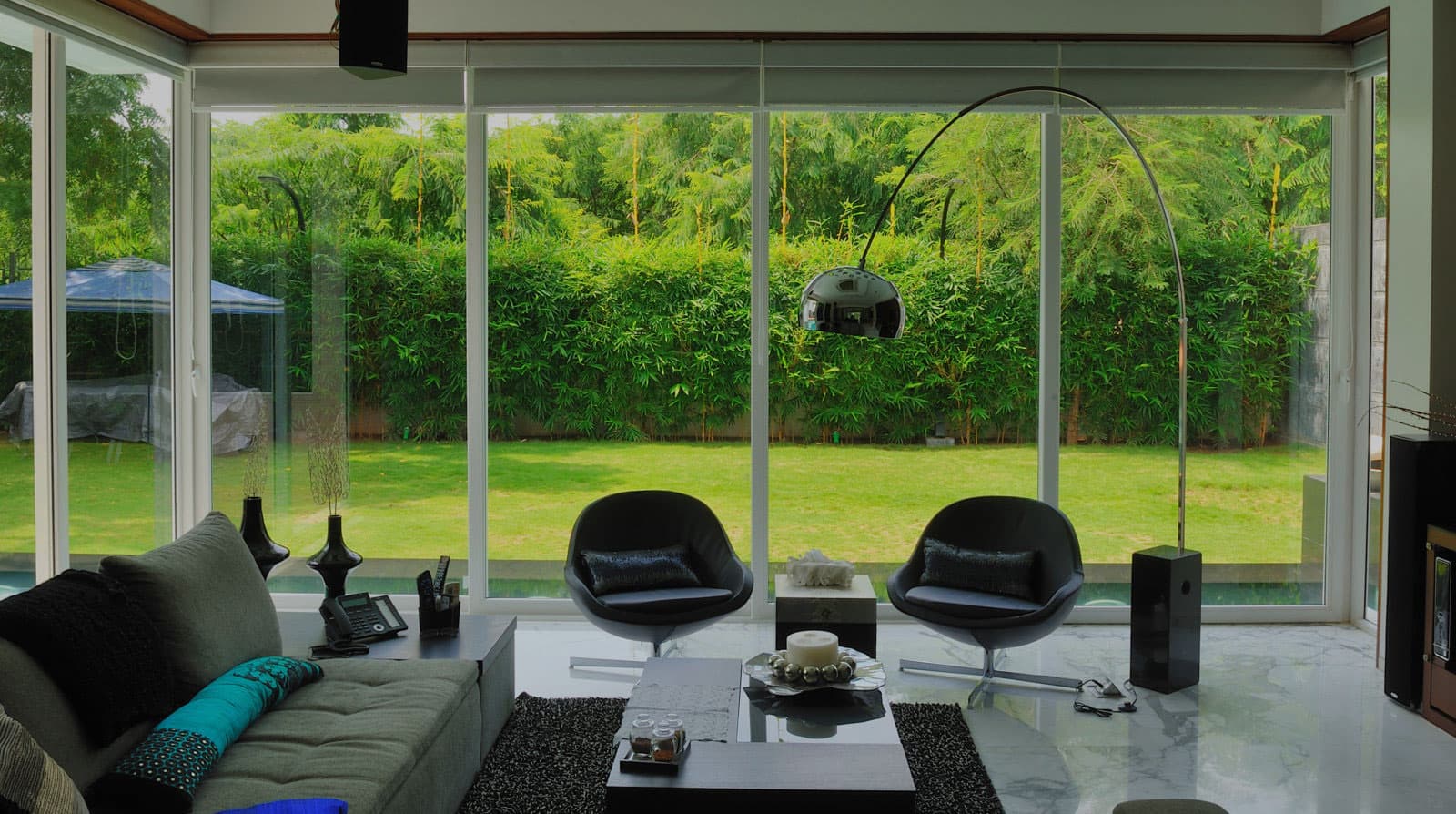
uPVC Windows in Coastal Climates: Why Chennai Needs Different Specs
Salt air, high humidity, monsoon downpours and 40°C summers put uPVC windows through more than what catalogue specs assume. Here is what we change in our standard build for coastal installations.
Read article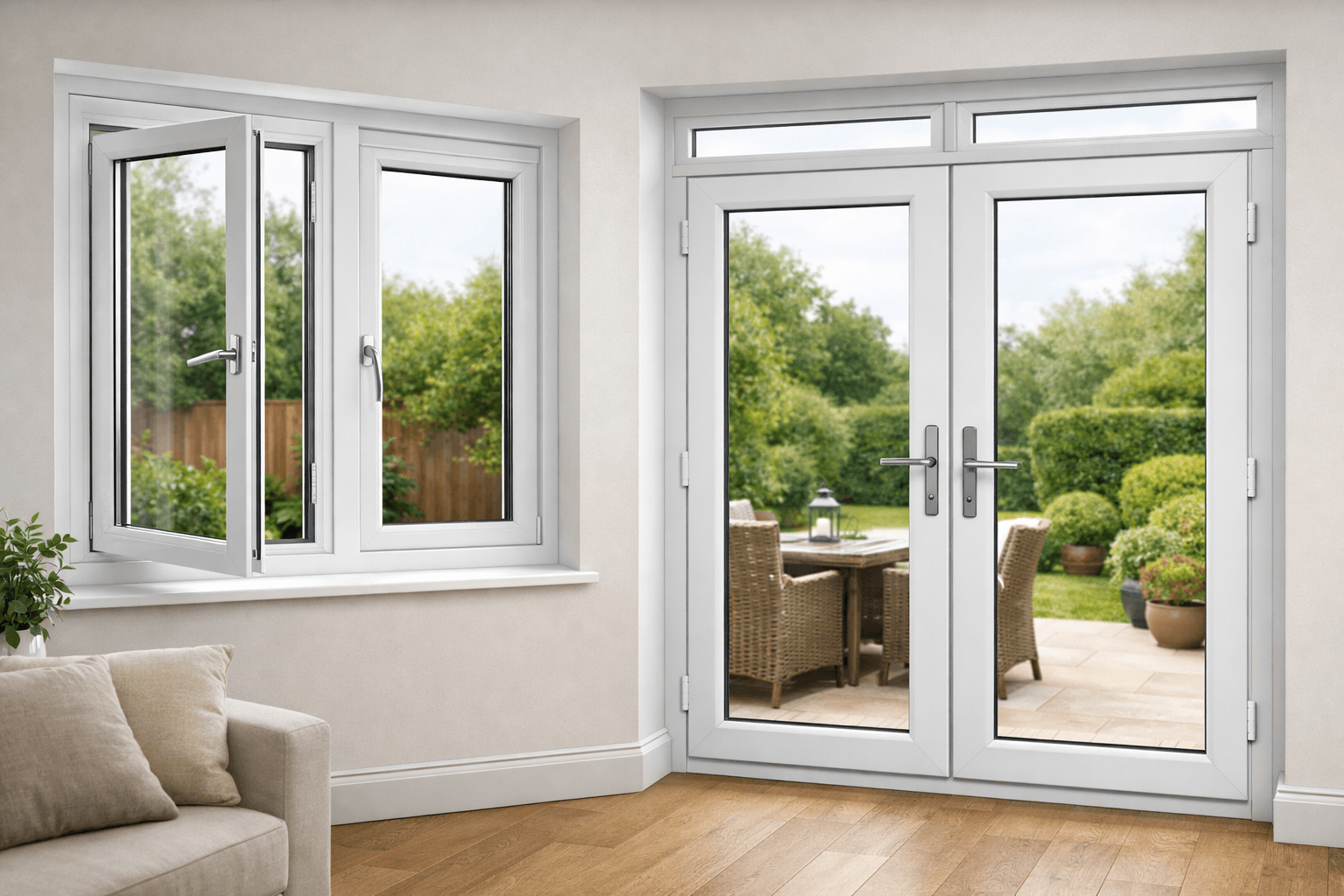 Buying Guide
Casement vs Sliding: Which uPVC Window Style Fits Your Chennai Home?
A practical comparison of the two most installed window styles in Chennai apartments and villas. How they open, where each one works, and the trade-offs nobody mentions on the showroom floor.
Read article Technical
Multi-Point Locking and What It Adds to Window Security
Most home break-ins through windows happen because of single point locks, not because the glass was forced. Here is how multi-point locking works and why it is worth the upgrade.
Read article