
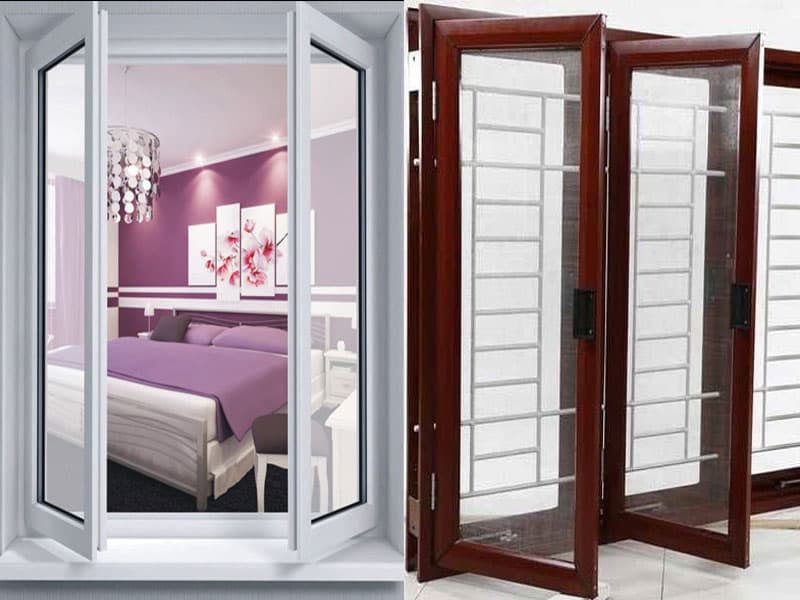
uPVC windows are low maintenance, not no maintenance. Here is the simple annual schedule we recommend to keep windows performing through their full warranty life.
Most uPVC windows in Chennai homes get washed when the rest of the apartment is cleaned and otherwise ignored. They survive that, but they perform better and last longer with a 20 minute check four times a year. Here is the schedule we recommend to customers, organised by quarter so it lines up with Chennai's seasons.
March: pre-summer hardware check
March is when the daytime temperatures start crossing 35°C and the AC starts running heavily. Now is when small hardware issues become noticeable. A casement that swings stiffly is harder to operate when the room is hot. A sliding window with a sticky roller becomes a daily annoyance.
- Open every operating window once. Sashes that are stiff need lubrication on the hinges or rollers
- Apply silicone spray (not WD 40 or any oil based product) to hinges, locks and roller wheels. One spray each, wipe excess
- Check that handles turn through their full range without resistance. Loose or notchy handles need the gear box adjusted, which is a service call
- Inspect the bottom of each sliding window. Dust accumulates there and silently slows the rollers
- Test the locks. Each multi point lock should engage smoothly without forcing
June: pre-monsoon drainage check
Beyond the drainage check, walk the perimeter of each window and look at the silicone seal between the frame and the wall. If you see hairline cracks, peeling, or yellowing, mark it for touch up. Small defects can be fixed with a small bead of neutral cure silicone. Larger defects need a service visit before the rain starts because water entering through the seal causes invisible damage to the wall behind the window over the monsoon.
Also check the EPDM gaskets between sash and frame. They should compress smoothly when the sash closes. If they are squashed flat or visibly cracked, they will leak air during the monsoon and noise after. Gasket replacement is a planned maintenance task, not an emergency, but identifying it now lets you book the service visit on a dry day rather than during a storm.
September: post-monsoon seal check
After the monsoon, walk around the inside perimeter of every window and check the silicone seal between the frame and the wall. You are looking for cracks, peeling, or visible gaps. Small defects can be touched up with neutral cure silicone (sold at hardware stores). Larger gaps mean water ingress is likely and need a service visit before the next rain.
Also inspect the EPDM gaskets between the sash and the frame. Press them gently with a fingernail. They should rebound. If they are hard, brittle, or visibly cracked, the gasket needs replacement. Gaskets are a 10 to 15 year wear part. Replacement is cheap, ignoring it is not.
Inside the house, look for any signs of water that came in during the monsoon. Discolouration on the wall under the window, peeling paint, or visible damp patches all indicate that water got past the seal somewhere. The window itself is fine but the seal needs work before the next year.
December: annual full clean
- Wipe frames with mild soap and water. Avoid abrasive cleaners and high pressure water jets
- Clean the tracks of sliding windows with a vacuum (preferred) or a soft brush. Do not pour water into the tracks for cleaning, only for testing drainage
- Clean the glass on both sides. For high floor casement windows, use the tilt or full opening function to reach the outside
- Check insect mesh frames for tears or loose corners
- Touch up any small defects in the silicone seal with neutral cure silicone
- Wipe the gaskets gently with a damp cloth to remove accumulated dust
What to leave alone
Do not try to adjust hinge tension, lock alignment, or roller height yourself. These are calibrated during installation and going off spec usually causes more problems than it fixes. If a window is sticking, stiff, or not closing flush, call for a service visit. Most adjustments take 15 minutes and cost less than a botched DIY fix.
Do not use silicone sealant on gaskets. Some homeowners think a smear of silicone where the gasket meets the frame will help with sealing. It actually causes the gasket to deform and bond to the frame, which makes the next gasket replacement harder. Gaskets are designed to be replaceable as a wear part. Leave them alone except for cleaning.
Do not paint uPVC frames. Standard household paint does not adhere properly to uPVC and will peel within a season. If you want a different colour, the proper solution is a foiled or laminated finish at the factory level. Painting in the field shortens the cosmetic life of the window without solving anything.
Coastal homes need more frequent checks
When to call for service
Some signs need professional attention rather than DIY maintenance. A window that no longer closes flush (visible gap when locked) needs a hinge or alignment adjustment. Condensation forming between glass panes means the DGU seal has failed and the unit needs replacement, which is a warranty issue if the window is under warranty. A handle that suddenly feels much stiffer than it used to indicates a gear box problem that will only get worse with use. Visible water between the frame and wall after rain indicates a perimeter seal failure.
We offer a paid annual service plan for customers who would rather not handle the quarterly checks themselves. The technician comes once a year, runs through the full check list, lubricates everything, replaces gaskets that are due, and touches up the silicone. It is a 90 minute visit per typical 2 BHK and the cost is comparable to one decent restaurant meal. For most homeowners the DIY checks are sufficient, but the plan is there if you want hands off maintenance.
Have a question this article did not cover? Get in touch — we will get back within a working day.
Continue reading
 Technical
uPVC Windows in Coastal Climates: Why Chennai Needs Different Specs
Salt air, high humidity, monsoon downpours and 40°C summers put uPVC windows through more than what catalogue specs assume. Here is what we change in our standard build for coastal installations.
Read article Renovation
5 Things to Check Before Replacing Wood Frames with uPVC
What to verify on the existing opening, the surrounding wall, and the building rules before you order replacement uPVC windows. Spend ten minutes on these now and avoid surprises during the install.
Read article Buying Guide
Casement vs Sliding: Which uPVC Window Style Fits Your Chennai Home?
A practical comparison of the two most installed window styles in Chennai apartments and villas. How they open, where each one works, and the trade-offs nobody mentions on the showroom floor.
Read article